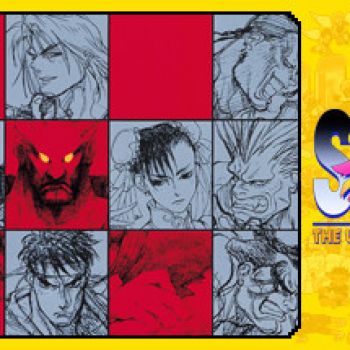
Overview of Street Fighter II
Street Fighter II remains one of the most celebrated titles in the fighting game genre. First released in arcades and later brought to home consoles, the game introduced a roster of iconic fighters from around the world. Each character brings a distinct fighting style that encourages players to experiment and find the match that best fits their personal approach. The visual style, memorable sound effects and the competitive spirit have helped the game stay relevant for decades.
Why the Game Still Captivates Players
The lasting appeal of Street Fighter II can be traced to several core elements. The balance between simplicity and depth allows newcomers to enjoy quick matches while offering seasoned players a deep well of strategic possibilities. The game’s round based structure creates natural tension, rewarding precise timing and careful reading of an opponent’s moves. In addition, the iconic special moves have become part of gaming culture, inspiring countless references in other media.
Combat System and Timing
The combat system relies on a combination of normal attacks, special techniques and defensive maneuvers. Mastering the timing of each move is essential. Players who learn to anticipate the rhythm of an opponent can create openings for powerful strikes. The game encourages a mix of aggressive pressure and patient defense, making each round feel like a chess match with fists.
Character Diversity and Play Styles
Each fighter in Street Fighter II possesses a unique set of moves that reflect their background. Some characters excel at close range combat while others rely on long range attacks. This diversity ensures that players can adopt a style that matches their preferences, whether they enjoy rapid combos or methodical counter attacks. The variety also adds replay value as players return to explore new characters.
Practical Guidance for New Players
Entering the world of Street Fighter II can be intimidating, but a few practical tips can help ease the learning curve. Begin by selecting a character that feels comfortable based on visual cues and move animations. Spend time in practice mode to become familiar with basic attacks and the timing of special techniques. Watching a few matches from experienced players can reveal common patterns and strategies.
When facing an opponent, focus on controlling space. Positioning yourself at a distance that favors your character’s strengths will reduce the risk of unexpected hits. Pay attention to the opponent’s habits; many players develop a preferred sequence of moves that can be anticipated after a few rounds. Using simple defensive actions such as blocking at the right moment can turn the tide of a match.
Consistency is more important than flashy combos in the early stages. Aim to land reliable attacks that chip away at the opponent’s health while preserving your own stamina. As confidence grows, gradually incorporate more complex sequences and experiment with mixing high and low attacks. Remember that the game rewards patience, so avoid the temptation to rush every exchange.
Frequently Asked Questions
What is the best way to improve my reaction time?
Regular practice in a low pressure environment helps develop muscle memory. Repeating basic attacks and blocking drills builds a foundation that translates to faster reactions during real matches.
Can I play Street Fighter II without an arcade cabinet?
Yes the game has been ported to many home platforms. Modern emulation services also provide a convenient way to experience the original arcade feel on a personal computer.
How many characters are available in the original roster?
The classic version features eight distinct fighters, each representing a different country and fighting discipline.
Is there a recommended order for learning the characters?
Starting with a character that has straightforward moves can help new players grasp the fundamentals. Once comfortable, exploring characters with more intricate techniques adds depth to the experience.
What makes a match feel balanced?
Balance arises from a combination of player skill, character selection and the ability to adapt to the opponent’s strategy. Understanding the strengths and weaknesses of each fighter contributes to a fair and engaging contest.